

Top Working Tips to Help You Succeed as a Freelance
Establishing a professional brand
Creating a strong professional brand is essential for freelancers seeking to distinguish themselves in a competitive market. A well-defined brand identity not only communicates your values and expertise but also enhances your visibility among potential clients. The core components of a professional brand include your logo, website, portfolio, and an active online presence across social media and freelance platforms.
Your logo serves as the visual cornerstone of your brand, and it should reflect your style and the quality of your work. It is advisable to invest in a professional design that can be easily recognized and remembered. Meanwhile, a user-friendly website acts as your digital storefront, showcasing your services, past projects, and testimonials from satisfied clients. A well-organized portfolio is crucial, as it illustrates your skills and experience. It should include select pieces that best represent your capabilities and resonate with your target audience.
In addition to visual elements, having a strong online presence is vital. Platforms like LinkedIn, Instagram, or industry-specific sites can amplify your reach and connect you with potential clients. Regularly engaging with your audience through updates and project showcases can build familiarity and trust, essential components of your reputation as a freelancer.
Defining your niche is equally important, as it allows you to tailor your services and marketing efforts to a specific audience. By identifying your strengths and interests, you can communicate your unique value proposition more effectively. Consistency across all platforms not only reinforces your brand but also helps establish credibility. Therefore, ensure that your messaging, tone, and visual identity remain uniform, fostering trust among prospective clients.
A strong professional brand serves as a sturdy foundation for your freelance career, enhancing your chances of success by attracting the right clients and opportunities.
Effective Time Management Techniques
Effective time management is a critical skill for freelancers, allowing them to optimize their productivity while maintaining a healthy work-life balance. With the increased flexibility that freelancing offers, it can be all too easy to blur the boundaries between personal and professional time. Therefore, implementing robust time management techniques is essential for achieving success.
One popular method that freelancers often employ is the Pomodoro Technique. This technique involves breaking work into intervals, traditionally 25 minutes in length, separated by short breaks. This approach not only boosts focus and concentration during work periods but also ensures that freelancers take necessary breaks, thereby mitigating the risk of burnout. By allowing the brain to rest, it maintains creativity and prevents fatigue over extended work hours.
Another effective technique is time blocking, where freelancers dedicate specific time slots in their calendar to particular tasks or projects. This method enhances accountability and reduces distractions, as it creates a structured framework within which work is conducted. By visualizing their day, freelancers are more likely to adhere to their schedule and prioritize tasks based on deadlines or importance.
Additionally, productivity apps can be invaluable tools for freelancers looking to manage their time efficiently. Applications like Trello, Asana, or Todoist enable task organization, allowing freelancers to track their progress, set deadlines, and collaborate with clients when necessary. These platforms often come with reminders, ensuring that tasks are completed on time and reducing the tendency to procrastinate.
Lastly, establishing clear boundaries between work and personal life is essential. Setting a designated workspace and specific working hours can significantly reduce distractions. Regular breaks and time away from screens contribute to mental well-being, promoting sustained productivity and creativity. By combining these time management techniques, freelancers can better navigate their work responsibilities and ultimately enhance their chances of success in the freelance marketplace.
Building and Maintaining Client Relationships
Establishing solid client relationships is critical for freelancers seeking long-term success within their field. One effective strategy is to prioritize open and consistent communication. Regularly updating clients on the status of their projects can help them feel involved and valued. Utilize multiple communication channels, such as emails, phone calls, or instant messaging, to ensure that clients can reach you conveniently. Tailoring your communication style to match the client’s preferences can significantly enhance collaboration and foster trust.
Managing client expectations is another key element in nurturing professional relationships. It is essential to set realistic timelines and clearly outline the project’s scope during initial discussions. This can help prevent misunderstandings and ensure that both parties are aligned from the outset. If challenges arise during the project, proactively communicating any potential delays or obstacles demonstrates professionalism and commitment, which can positively impact the client’s perception of your work.
Requesting feedback is a valuable practice that can further strengthen client relationships. Invite clients to provide their thoughts on your work upon project completion. This not only showcases your willingness to improve but also reinforces the collaborative nature of the freelancing relationship. When clients see that their opinions are valued, they are more likely to engage in future projects and recommend your services to others.
Following up after project completion is also crucial. A simple message expressing gratitude and asking if they need assistance with any future tasks can leave a lasting impression. Additionally, maintaining a network of previous clients is beneficial for securing referrals and repeat business opportunities. By nurturing these relationships, freelancers can build a sustainable client base that contributes to their success over time.
Continuous Learning and Skill Development
In the ever-evolving landscape of freelancing, the significance of continuous learning and skill development cannot be overstated. As industries transform and new technologies emerge, freelancers must adapt to stay competitive. Engaging in ongoing education enables freelancers to not only keep pace with the latest trends but also to enhance their marketability and adaptability in this dynamic environment.
Online courses have become an invaluable resource for freelancers seeking to expand their knowledge base and acquire new skills. Platforms such as Coursera, Udemy, or LinkedIn Learning offer a vast array of courses that cater to various disciplines. Freelancers can select topics directly related to their industry or explore new areas of interest that could complement their existing skill set. Additionally, many of these platforms provide certifications, which can serve as a testament to one’s commitment to professional growth.
Webinars and virtual workshops represent another excellent avenue for continuous learning. These events often feature industry experts sharing insights, tips, and best practices. By actively participating in such events, freelancers can enhance their understanding of current market demands and gain knowledge about innovative tools or techniques. Furthermore, webinars often foster networking opportunities, allowing freelancers to connect with peers and industry leaders, which can lead to potential collaboration or job leads.
Moreover, attending industry events, whether in-person or virtually, can be instrumental in a freelancer’s development. Conferences and seminars provide access to cutting-edge trends and enable freelancers to meet potential clients and expand their professional network. By staying informed about the latest developments within their field, freelancers can position themselves as knowledgeable experts, further bolstering their credibility.
To effectively manage their learning journey, freelancers may consider creating a personal development plan. This plan should outline their career goals and the skills needed to achieve them, along with a timetable for acquiring these skills. By diligently following this roadmap, freelancers can ensure that their continuous learning efforts are directed towards their specific professional aspirations.

Common Branding Mistakes New Businesses Make
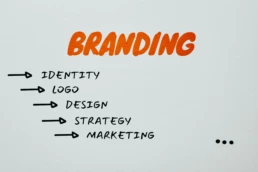
Discover the common branding mistakes new businesses make and learn how to avoid them. From inconsistent messaging to neglecting target audience research, this article provides valuable insights on establishing a strong brand identity. Understand the importance of cohesive communication, the power of a simple design, and how effective brand storytelling can foster customer loyalty. Equip your startup with the knowledge to resonate with consumers and enhance brand recognition in a competitive market.
Mistake 1: Inconsistent Messaging
In the competitive landscape of modern business, new companies often face the challenge of establishing a clear and consistent brand identity. One of the most common pitfalls they encounter is inconsistent messaging. This inconsistency can manifest across various platforms such as social media, websites, marketing materials, and even in direct communications with customers. When potential clients encounter varying messages, it can create confusion, leading them to question the reliability and authenticity of the brand.
The importance of uniform messaging cannot be overstated. A cohesive brand voice reinforces the company’s values and mission while helping to cultivate trust among consumers. When a brand presents a consistent message, it also enhances its ability to resonate with its target audience. For instance, if a company promotes itself as eco-friendly on its website but uses unsustainable practices in its marketing materials, such mixed signals can erode consumer trust.
To avoid the risk of inconsistent messaging, businesses should develop clear brand guidelines. These guidelines should outline the tone, style, and terminology that will be used across all platforms. Additionally, regular training sessions for employees can ensure that all team members are aligned with the brand’s values and messaging strategy. It is also crucial to periodically review and update messaging to reflect any changes in the business or market landscape.
Moreover, implementing a centralized system for content creation and approval can further safeguard against inconsistencies. This approach ensures that all communications accurately reflect the established brand identity. By prioritizing a cohesive message, new businesses can effectively strengthen their brand’s presence and foster positive relationships with customers. Ultimately, the effort invested in establishing consistent messaging pays dividends in the form of enhanced brand recognition and customer loyalty.
Mistake 2: Overcomplicating Design
In the world of branding, one of the most significant missteps that new businesses often make is overcomplicating their design elements. Startups frequently strive for uniqueness, which can lead them to create overly intricate logos and visual identities that ultimately hinder brand recognition rather than enhance it. This overcomplication can obscure the core message of the brand, making it difficult for consumers to remember, understand, and connect with the brand’s identity.
Psychologically, consumers tend to favor simplicity in design. A straightforward logo resonates better, as it is easier to recall and often conveys the brand’s values effectively. For instance, consider the success of major brands like Apple and Nike; their logos are minimalist yet powerful, embodying their identities in a memorable fashion. These designs demonstrate that simplicity does not equate to a lack of creativity; rather, it often highlights the strength of the concept.
Creating a clean and impactful logo involves a few key principles. First, prioritize essential elements that represent the brand accurately, stripping away any unnecessary intricate details that might distract from its core message. Second, select a limited color palette that aligns with the brand’s values and appeals to the target audience without overwhelming them. Additionally, typographic choices should be carefully considered, as clear and legible typefaces contribute to a more effective design.
Moreover, gathering feedback from target demographics during the design process can offer insights into what resonates and what does not. In essence, focusing on simple, clean designs can significantly enhance brand recognition and establish a lasting impression, thereby positioning new businesses for greater success in a competitive marketplace.
Mistake 3: Neglecting Target Audience Research
Launching a brand without a comprehensive understanding of its target audience is a prevalent mistake that many new businesses make. This oversight can result in offerings that are misaligned with consumer preferences and ineffective marketing strategies that fail to engage potential customers. To build a strong brand foundation, it is essential for entrepreneurs to conduct thorough market research and actively analyze their target demographic.
Target audience research involves gathering and evaluating data to identify who the customers are, what they need, and how they make purchasing decisions. This research can be done through various methods, including surveys, focus groups, and analysis of existing market data. Additionally, utilizing social media platforms can provide valuable insights into consumer behaviors and trends, allowing businesses to tailor their branding efforts accordingly.
Once businesses gather sufficient data, the next step is audience segmentation. This process entails dividing the broader market into smaller groups based on shared characteristics such as demographics, psychographics, and consumer behavior. By doing so, businesses can create personas that accurately represent their ideal customers. These personas will guide branding efforts, ensuring that the messaging and offerings resonate with different audience segments, thereby enhancing overall engagement and loyalty.
To ensure that the branding aligns with the preferences and needs of target customers, continuous feedback and adaptation should be prioritized. Conducting regular surveys, monitoring social media interactions, and analyzing sales data can help businesses stay attuned to shifting consumer expectations. By integrating audience insights into branding strategies, new businesses can create more effective marketing campaigns and product offerings, ultimately leading to sustained growth and success in an increasingly competitive marketplace.
Mistake 4: Ignoring Brand Storytelling
One of the most significant oversights new businesses make is neglecting the power of brand storytelling. A compelling narrative can create emotional connections between a brand and its audience, fostering customer loyalty that is vital for long-term success. By developing a unique brand story, startups not only differentiate themselves from competitors but also engage their customers in a more meaningful way.
The essence of effective brand storytelling lies in authenticity. Customers today crave genuine connections, and they can often identify insincerity. To craft a narrative that resonates, businesses should first identify their core values and mission. These elements serve as the backbone of the story and should reflect what the brand stands for. Additionally, business owners should consider the challenges they faced on their entrepreneurial journey, as sharing these experiences can make the narrative relatable and inspire customers.
Incorporating the brand’s origin story is another powerful way to engage customers. Explaining how the idea was born, the problems it aims to solve, and the commitment to quality and service can foster deeper connections. Businesses should also think about their audience’s aspirations and pain points. By aligning the brand story with the customers’ needs and desires, a stronger emotional bond can be formed.
Visual components should not be overlooked when crafting a brand narrative. Utilizing consistent imagery, typography, and even colors helps reinforce the story and makes it more memorable. Ultimately, a well-executed brand story serves as a guiding light for marketing strategies, ensuring that all communication remains aligned with the core narrative. By harnessing the power of storytelling, businesses can cultivate loyalty and trust, turning customers into advocates for the brand.

The Power of a Cohesive Visual Identity: Building Trust with Your Audience
Understanding Visual Identity
Visual identity refers to the collection of visual elements that represent a brand's essence and help communicate its values to the audience. These elements include the logo, color palette, typography, and imagery, which work together to create a cohesive representation of a brand. The logo serves as the most recognizable element and typically embodies the brand's core attributes, making it an essential component of visual identity. A well-designed logo not only captures attention but also reflects the business's philosophy and mission, making it crucial for building an emotional connection with the audience.
One of the fundamental aspects that contribute to a strong visual identity is the careful selection of a color palette. Colors evoke emotions and can significantly influence customer perception. For instance, blues often convey trust and dependability, while reds can evoke passion and excitement. By choosing a consistent color scheme, brands can create an immediate visual association with their core values and purpose. Typography, too, plays a vital role in establishing a brand's personality. The choice of fonts conveys different tones and attitudes, whether it's approachable and friendly or sleek and sophisticated, allowing brands to communicate their message effectively.
Imagery, including photography and graphics, complements the other elements by adding depth and narrative to the brand story. When used consistently across different platforms, a unified visual identity becomes an essential tool for brand recognition. This consistency helps audiences easily identify the brand, enhancing their familiarity and trust. For startups, establishing a clear visual identity is even more crucial, as it differentiates them from competitors in a crowded marketplace. A cohesive visual identity fosters credibility and reliability, encouraging consumers to engage with the brand and build lasting relationships. As such, it is imperative for businesses to invest time and effort into crafting and maintaining their visual identity across all touchpoints.
The Importance of Consistency Across Digital Platforms
In the modern digital landscape, the significance of a consistent visual identity across various platforms cannot be overstated. A cohesive visual presentation across websites, social media, and email marketing channels reinforces a brand's message and enhances audience perception. Consistency helps to establish a recognizable brand that resonates with its audience, allowing for increased engagement and trust.
When users encounter a brand that maintains uniformity in its colors, typography, and overall aesthetic, they are more likely to develop a positive perception of that brand. This visual harmony fosters credibility, suggesting that the brand is professional and attentive to details. For instance, well-known brands such as Coca-Cola and Apple exemplify the effectiveness of a consistent visual identity. Coca-Cola, with its iconic red and white logo, utilizes the same color scheme and font across all its marketing materials, making it easily identifiable regardless of the platform. Similarly, Apple employs a minimalist design across its website and promotional materials, ensuring that the user experience remains seamless and recognizable.
Moreover, audience loyalty is significantly influenced by a brand’s consistency. When consumers know what to expect from a brand, they are more likely to return and engage further. This loyalty can translate into repeat sales and advocacy that extends a brand's reach. Email campaigns that reflect the same visual identity as social media posts reinforce the message, leading to a well-rounded approach to brand visibility. A cohesive visual identity not only strengthens the relationship between the brand and its audience but also effectively communicates the brand’s values and mission.
In essence, maintaining consistency across digital platforms is crucial for building trust, enhancing credibility, and fostering loyalty among audiences. By utilizing successful case studies, brands can recognize the measurable benefits of cohesive presentation, further solidifying the importance of a well-aligned visual identity in their marketing strategies.
Tips for Startups to Create a Cohesive Visual Identity
For startups, crafting a cohesive visual identity is essential to establishing credibility and building trust with their target audience. The first step is to define the brand's mission and values clearly. This foundational aspect informs every design choice and helps create an authentic narrative that resonates with potential customers. Start by articulating what your brand stands for and how it differentiates itself from competitors. Understanding these core elements will guide the rest of the visual identity development process.
Next, selecting a color scheme that aligns with the brand's personality and appeals to the target audience is vital. Colors evoke emotions; therefore, it’s important to choose palettes that reflect the desired brand image. For instance, blue may convey trust and professionalism, while green can symbolize growth and harmony. Utilize color psychology to guide choices, ensuring that the selected colors enhance brand recognition and create a memorable impression.
Creating templates for social media and marketing materials is another practical tip. Consistency in design helps reinforce brand identity and fosters a more professional appearance. Employ design tools such as Canva or Adobe Express, which allow for easy customization while adhering to a defined visual style. Pre-defined templates ensure that all promotional materials maintain a uniform look, enhancing brand visibility across various platforms.
Moreover, startups should regularly review and update their visual identity as the brand evolves. As trends shift and consumer preferences change, it may be beneficial to refresh certain elements of the brand's visual identity while maintaining core components. This ensures relevance and fosters continued engagement with the audience. Employing branding tools and resources can aid in this process, facilitating consistent adjustments that align with the brand’s growth trajectory.
Maintaining Cohesion: Best Practices and Tools
Establishing a cohesive visual identity is essential for building trust and recognition among audiences, particularly for startups navigating competitive landscapes. A commitment to maintaining this cohesion over time involves several best practices that can significantly enhance brand consistency.
One of the most effective strategies is the development of a comprehensive style guide. This document serves as a blueprint outlining the visual elements of the brand, including logos, color palettes, typography, and imagery. A well-crafted style guide not only ensures uniformity across all marketing materials but also provides a reference point for team members, helping them to produce on-brand content consistently. It is crucial that all employees are trained to understand and adhere to these guidelines, fostering a shared understanding of the brand's visual language.
Additionally, leveraging design platforms or software can greatly support the maintenance of a cohesive visual identity. Tools such as Adobe Creative Cloud, Canva, or Figma offer functionalities that streamline the design process while adhering to brand standards. These platforms often include features like templates that promote consistent design elements, enabling teams to collaborate effectively and reducing errors that can arise from miscommunication.
Another vital component of sustaining a cohesive visual identity is actively soliciting feedback from your audience. Engaging customers through surveys or social media can provide valuable insights into how the visual identity resonates with them. This feedback can help identify areas for improvement and adaptation, ensuring that the brand evolves in line with market trends while remaining true to its core identity. Encouraging an open dialogue with customers about their perceptions of the visual identity allows startups to cultivate a brand that not only looks cohesive but also connects meaningfully with its audience.
Top 5 Digital Tools Every Startup Should Use to Boost Productivity and Creativity
Introduction to Essential Digital Tools for Startups
In today's fast-paced business environment, startups face unique challenges that demand innovative solutions to ensure long-term success. One of the pivotal strategies for overcoming these challenges is the implementation of digital tools designed to enhance productivity and foster creativity. These tools serve as crucial components for startups aiming not only to streamline their operations but also to elevate their creative processes. As technology continues to evolve, the selection of appropriate tools has become ever more critical for organizations seeking growth and efficiency.
Digital tools encompass a wide array of software applications and platforms that facilitate various aspects of business operations. By selecting the right tools, startups can optimize workflows, enhance collaboration among team members, and improve decision-making processes. For instance, project management tools can allow teams to coordinate tasks effectively, while design applications can help in creating visually appealing content that stands out in competitive markets. Additionally, digital tools can significantly contribute to marketing strategies, with SEO and social media management applications playing a central role in building online presence and engagement.
Over the course of this blog post, we will explore several categories of digital tools essential for startups. These will include project management platforms that help in the organization of tasks, design tools for creating compelling visual content, SEO tools that drive website traffic, and social media management applications that aid in maintaining an active digital profile. By understanding the significance and function of these tools, startups can make informed choices that align with their business objectives, thereby positioning themselves for success in their respective industries.
Project Management Tools for Streamlined Operations
In today's fast-paced business environment, startups require effective tools to foster collaboration, improve operational efficiency, and manage projects seamlessly. Project management tools play a vital role in achieving these goals, offering features that cater specifically to the needs of budding enterprises. By implementing such tools, startups can streamline operations, enhance team communication, and ensure timely task completion.
Among the prominent tools in the market, Trello stands out for its intuitive interface, which utilizes boards, lists, and cards to help teams visualize their tasks. This Kanban-style approach allows users to easily track progress while effectively organizing workloads. Trello also supports real-time collaboration, enabling team members to comment, attach files, and update tasks instantaneously. Such functionalities are pivotal for managing multiple projects simultaneously and adapting to changing priorities.
Another excellent option for startups is Asana, which offers a range of features including Gantt charts and task prioritization. Asana facilitates project planning by allowing teams to create timelines, assign responsibilities, and set deadlines. The platform is designed to keep everyone aligned, fostering accountability and transparency within the team. Furthermore, Asana's robust reporting capabilities equip startups with insights into project performance, enabling data-driven decision-making.
Monday.com is yet another versatile project management tool that caters to diverse workflows. Its customizable dashboards allow teams to track progress and metrics effectively. By equipping users with automation capabilities, Monday.com reduces repetitive tasks, allowing teams to focus on innovation. The tool's adaptability caters to varied industries, making it an asset for startups embarking on unique ventures.
In conclusion, incorporating the right project management tools is crucial for startups aiming to enhance productivity and creativity. By utilizing platforms like Trello, Asana, or Monday.com, teams can foster collaboration, streamline operations, and ultimately drive their business towards success. Such tools not only improve task allocation and deadline tracking but also empower teams to work more efficiently and creatively.
Design Tools to Enhance Visual Creativity
In today's competitive market, the visual presentation of a startup's brand can significantly influence its success. Design tools play a pivotal role in helping non-designers create visually appealing graphics, presentations, and marketing materials. Among the myriad of options available, Canva and Adobe Creative Cloud stand out as powerful applications that cater to varying design skills and needs.
Canva, known for its user-friendly interface, enables individuals without a design background to produce professional-quality graphics effortlessly. Offering a wide array of templates and design elements, Canva empowers users to maintain a cohesive visual identity across their marketing materials. This is crucial for startups looking to establish their brand presence. Moreover, the platform supports collaboration, making it easy for team members to work together in real-time, which enhances productivity and facilitates the creative process.
On the other hand, Adobe Creative Cloud provides a more advanced suite of design applications, including Photoshop, Illustrator, and InDesign. While these tools are equipped with extensive features suitable for experienced designers, they also offer resources and tutorials aimed at beginners. Startups can benefit from Adobe's versatile capabilities, allowing for intricate designs that can elevate branding efforts. By harnessing these tools, teams can create stunning visuals that effectively convey their brand message and values.
In addition to these tools, it is essential for startups to focus on consistency in visual identity. Integrating colors, logos, and typography across all platforms helps to create brand recognition. A strong visual identity not only captures attention but also builds trust with potential customers. Leveraging design tools to enhance visual creativity can significantly contribute to a startup’s marketing strategy, ultimately driving engagement and growth.
SEO Tools for Enhancing Online Visibility
In the digital marketplace, establishing a strong online presence is essential for startups. Search Engine Optimization (SEO) tools play a pivotal role in enhancing online visibility and driving traffic to websites. By leveraging these tools, startups can optimize their content, making it more accessible and attractive to search engines, ultimately leading to improved search engine rankings.
One of the most widely used SEO tools is Google Analytics. This platform provides valuable insights into website performance, allowing startups to track user behavior, understand traffic sources, and monitor key metrics. With Google Analytics, entrepreneurs can analyze which content performs best, enabling data-driven decisions that refine marketing strategies. Additionally, this tool helps in identifying demographic and geographic trends, assisting startups in targeting their audience more effectively.
Another popular tool among startups is SEMrush. This comprehensive SEO suite offers various features, including keyword research, site audits, and competitor analysis. Startups can utilize SEMrush to identify high-value keywords that can improve organic search rankings. The platform's ability to analyze competitor strategies also provides insights into the industry's best practices, giving startups a competitive edge. Furthermore, SEMrush's backlink analysis tool can help startups assess their link-building efforts, ensuring they establish a robust and credible online presence.
Lastly, Moz is a noteworthy option for startups focusing on SEO. Moz's suite includes features such as keyword tracking and site audits, providing actionable insights for improving online content. The tool's user-friendly interface makes it accessible for those who may not have extensive technical knowledge. Moz also offers a community and resources to aid startups in learning more about effective SEO strategies.
Utilizing these SEO tools can significantly impact a startup's ability to increase website traffic and attract potential customers. By optimizing content through data-driven insights, startups can enhance their online visibility and establish a strong foothold in their respective markets.
Social Media Management Tools for Effective Engagement
In the contemporary digital landscape, social media management tools play a crucial role for startups seeking to enhance their online presence. These applications are designed to streamline the process of content creation, scheduling, and performance analysis across various social media platforms, thus allowing businesses to engage effectively with their audience. Prominent tools such as Hootsuite, Buffer, and Sprout Social offer functionalities that significantly simplify social media management, equipping startups to establish a cohesive strategy.
Hootsuite, for instance, enables users to manage multiple social media accounts from one dashboard, allowing for efficient scheduling of posts and monitoring of engagement metrics. This centralized approach can save time and reduce the complexities often associated with managing disparate platforms. Meanwhile, Buffer focuses on enhancing user engagement through its simple, intuitive interface, which promotes easy scheduling and analysis of post performance. These metrics are essential, as they provide insights into which types of content resonate most with the audience, facilitating more informed decisions about future posts.
Sprout Social stands out for its robust analytics features, enabling startups to not only schedule posts but also track performance comprehensively. With its advanced reporting tools, businesses can gather data on audience interactions, identifying trends that can inform their content strategy and drive engagement. A well-implemented social media strategy can lead to increased brand awareness as startups consistently interact with their audience, fostering a sense of community and loyalty. This interaction not only promotes customer engagement but also opens channels for valuable feedback and insights, which are essential for continuous improvement.
In conclusion, by leveraging social media management tools, startups can effectively engage with their audience, enhance their brand presence, and drive productivity within their marketing efforts. The ability to analyze engagement metrics and streamline posting ensures that even limited resources can be maximized, making these tools indispensable for budding businesses aiming for growth in a competitive digital environment.
The Role of Color Psychology in Branding: Choosing the Right Palette for Your Business
Understanding Color Psychology
Color psychology is the study of how colors influence human emotions, perceptions, and behaviors. Each color possesses unique characteristics and can evoke specific feelings among individuals. For instance, blue is often associated with trust and reliability, making it a popular choice for financial institutions and healthcare organizations. In contrast, red can evoke excitement or urgency, often used in promoting sales and limited-time offers. These foundational aspects reveal the considerable power color holds in shaping consumer interactions with brands.
Moreover, colors do not operate in isolation; their impact can vary depending on the context in which they are presented. For example, the same shade of green may symbolize growth and health in a wellness brand, while it could represent environmental concerns in sustainability-focused businesses. Thus, understanding the context of color usage is crucial for effective brand communication. Cultural variations further complicate these interpretations, as different societies may imbue colors with diverse meanings. In some cultures, white signifies purity and peace, whereas in others, it may symbolize mourning. Therefore, businesses must consider their target audience and cultural background when selecting a color palette.
For brands seeking to create a powerful emotional connection with their audience, it is essential to align their color choices with their intended message. By utilizing color psychology, businesses can effectively communicate their values and evoke the desired emotional responses from their customers. Each color communicates a subtle yet impactful message, shaping perceptions and brand associations. As such, understanding color psychology is vital for organizations aiming to refine their branding strategies and cultivate memorable consumer experiences.
The Emotional Impact of Colors
Color psychology plays a significant role in influencing consumer behavior and shaping brand perception. Each color evokes specific emotions and associations, creating a subconscious influence that can guide purchasing decisions. Understanding these emotional associations is essential for businesses seeking to establish a strong brand identity.
For instance, the color blue is frequently associated with trust and reliability. Many companies in the finance and tech sectors, such as American Express and IBM, use blue in their branding to foster a sense of security and professionalism. This emotional connection can enhance customer loyalty and encourage long-term relationships, as consumers often prefer brands they perceive as trustworthy.
On the other hand, red is a powerful color that signifies passion, energy, and urgency. It is often employed in marketing strategies to create excitement and spur immediate action. Brands such as Coca-Cola and Target effectively utilize red to grab attention and convey a sense of urgency, motivating consumers to make swift purchasing decisions. The emotional impact of red can stimulate appetite, making it a popular choice in the food and beverage industry.
Another color that carries profound emotional significance is green, which is commonly associated with growth, health, and tranquility. Brands like Whole Foods and Tropicana leverage the calming nature of green to convey a commitment to sustainability and health. This association resonates well with consumers seeking natural and organic products, often translating into brand loyalty and consumer engagement.
In summary, the emotional impact of colors is crucial in branding as it influences consumer behavior and perceptions. By strategically selecting colors that resonate with their target audience, businesses can foster emotional connections that lead to increased brand loyalty and engagement. Understanding these color associations is key for brands aiming to cultivate a meaningful presence in the marketplace.
Choosing the Right Color Palette for Your Brand
Developing a suitable color palette for your brand is a vital step in establishing a strong brand identity. The right colors can evoke emotions and perceptions that align with your values and resonate with your target audience. To effectively choose a color palette, one must follow a systematic approach that begins with understanding the core mission of the brand. Identify the key attributes and values you wish to communicate; for instance, is your brand innovative, reliable, or luxurious? Each of these qualities can be represented by different color choices.
Next, consider the psychological impact colors can have on your audience. Research indicates that colors can invoke specific emotions or associations; for example, blue often represents trust and professionalism, while yellow may evoke feelings of optimism and energy. By identifying the demographic and psychographic traits of your target audience, you can curate a palette that not only attracts but also resonates with them.
A thorough analysis of the competitive landscape is equally essential. Observing how competitors utilize color can provide vital insights into industry trends and norms. While it’s important to maintain a unique identity, ensuring that your color choices are relevant to the market can enhance immediate recognition and appeal.
Furthermore, consistency in the application of your color palette across all platforms cannot be overstated. This includes your website, social media channels, and packaging. To facilitate this, consider leveraging tools such as Adobe Color or Canva's color palette generator. These resources allow you to experiment with various combinations and finalize a color palette that embodies your brand ethos. By diligently following these steps, you enhance the likelihood of creating a compelling visual identity that effectively communicates your brand's message.
Case Studies: Successful Brands and Their Color Strategies
Several prominent global brands illustrate the powerful impact of color psychology in shaping their identities and resonating with consumers. One notable example is Coca-Cola, which has effectively utilized the color red to evoke feelings of excitement and passion. Coca-Cola's branding strategy centers around the notion of happiness and enjoyment, which is reinforced by its vibrant red logo. This color choice not only grabs attention but also distinguishes the brand from competitors, making it readily identifiable across various markets. The recognition and affection that consumers hold for Coca-Cola are partly attributable to its consistent and strategic use of color, leading to substantial market dominance and brand loyalty.
Another illustrative case is the tech giant Apple, which predominantly employs a minimalist color palette of black, silver, and white. This choice reflects a sense of sophistication, innovation, and simplicity, aligning perfectly with Apple’s brand philosophy. The clean and sleek design of its products, combined with an understated color palette, communicates luxury and high-quality craftsmanship. The impact of this color strategy is evident in Apple’s high market valuation, where brand loyalty is cultivated through not only innovative products but also a consistent visual identity.
In the fashion industry, brands like Tiffany & Co. have established a remarkable identity through color psychology. The distinctive robin's egg blue of Tiffany's packaging has become synonymous with luxury and exclusivity. This color selection embodies elegance and sophisticated femininity, creating an emotional connection with consumers seeking special moments, such as engagements and anniversaries. Tiffany's brand strategy effectively demonstrates how a carefully chosen color can elevate brand perception and profoundly influence buyer behavior.
These case studies exemplify the strategic application of color psychology in branding. They underscore the importance of carefully considering color choices to enhance brand identity and foster consumer engagement. By examining these successful examples, startups and established businesses alike can draw valuable insights on harnessing the power of color in their branding strategies.